Brushing your teeth feels like second nature. Most people have been doing it the same…

Cold Weather & Sensitive Teeth: How to Stop the Winter Ache
We’ve all felt it: you step out of your house in East Longmeadow on a Tuesday morning, and the “Deep Freeze” hits. The air is so cold it feels like it’s biting your skin. For many of our patients, that bite is literal. A common January complaint is teeth that ache just walking from the car to the office door. Your teeth are living organs. When the temperature drops below freezing, the “Outer Shell” (enamel) and the “Inner Shell” (dentin) contract at slightly different rates. This creates a “thermal shock” that can be incredibly painful for anyone with even minor enamel wear.
The “Winter Clench”
When we are cold, our bodies have a natural survival reaction: we tense up. This leads to the “Winter Clench.” Whether you are shoveling a heavy snowfall or waiting for your car to defrost, you are likely subconsciously grinding your teeth to keep your body warm through shivering. This puts thousands of pounds of pressure on your molars, leading to a mystery jaw pain, morning headaches, and even hairline fractures that weren’t there back in October. In January, we see a massive spike in these types of “stress fractures” caused by the battle against the New England cold.

Signs of Cold-Weather Dental Distress to Watch For
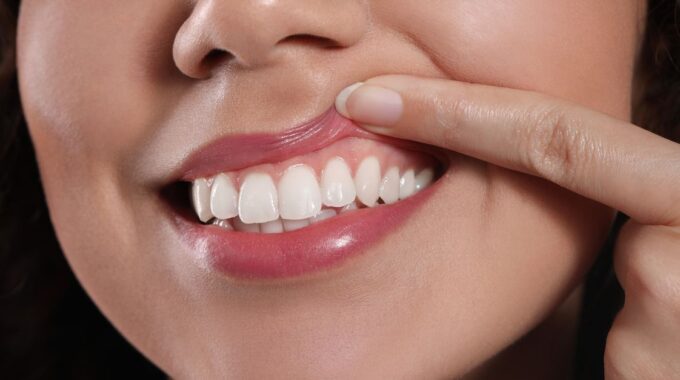
Signs of cold-weather dental distress are easy to spot if you know what to look for. A sharp “lightning bolt” of pain when you breathe in cold air through your mouth often indicates thinning enamel or receding gums. If your jaw clicks or pops when you yawn, it is likely struggling with winter tension. You can even check your tongue—if the edges look wavy or “scalloped,” it is a 90% accurate sign that you are pressing your tongue against your teeth in a clench. You might also notice “Angular Cheilitis,” those painful cracks at the corners of your mouth caused by the combination of dry air and trapped moisture.
Why Your Summer Routine Fails During a Deep Freeze
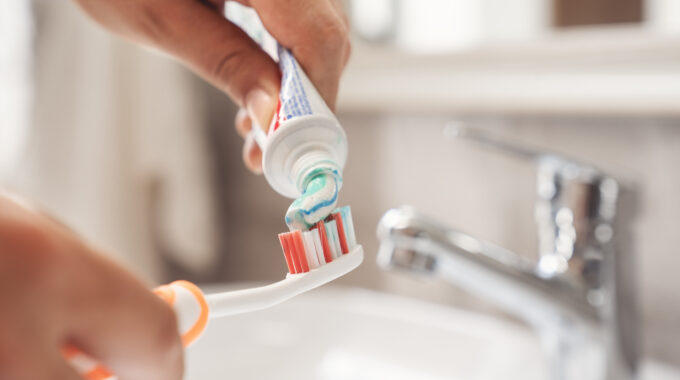
Your summer routine won’t work in the dead of winter. During the warmer months, you might get away with abrasive whitening toothpastes, but in January, that’s like sanding down a frozen pipe. Winter requires a “winter coat” for your teeth. This means switching to high-fluoride or desensitizing toothpastes that plug the microscopic pores in your dentin. You should also practice “nasal breathing” when outdoors; your nose warms the air before it hits your teeth, preventing that painful thermal shock.

Winterizing Your Smile at Pleasant Street Dental
Pleasant Street Dental offers professional desensitizing treatments that act as a permanent sealant against the cold. For those struggling with the “Winter Clench,” we provide custom-fitted night guards. These guards act as a shock absorber, protecting your teeth from the immense pressure of grinding during these long, cold nights. If the Massachusetts cold is making your smile ache, don’t wait for the spring thaw. Call us for a “Winter Sensitivity Check” and stay comfortable all season long.
Related Posts