Costumes, pumpkins, and a bag full of candy: Halloween is one of the most exciting…
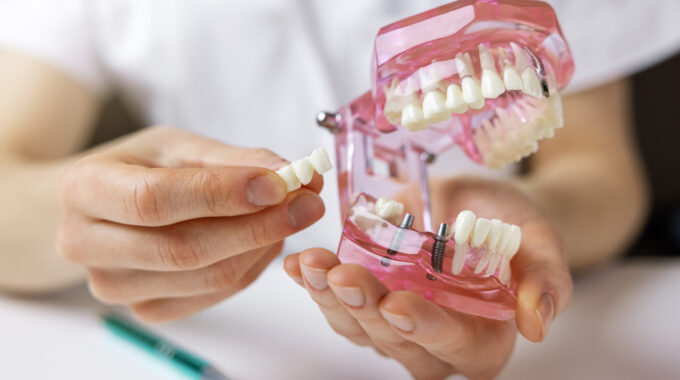
Dental Implants in East Longmeadow, MA: What to Expect, What It Costs, and Is It Worth It?
Losing a tooth is one of those things you don’t fully think about until it happens to you. Whether it was a tooth that had been giving you trouble for years or one that came out unexpectedly, the space it leaves behind affects more than just how your smile looks. It changes how you eat, how you speak, and sometimes even how confident you feel walking into a room.
If you’ve been researching your options, you’ve probably already come across dental implants. And if you’ve found yourself wondering whether they’re really worth it, what the procedure actually involves, and what the cost looks like in Western MA — this post is for you.
At Pleasant Street Dental, we want you to have the information you need to make a decision that’s right for your health and your life. So let’s walk through it honestly.
What is a dental implant?
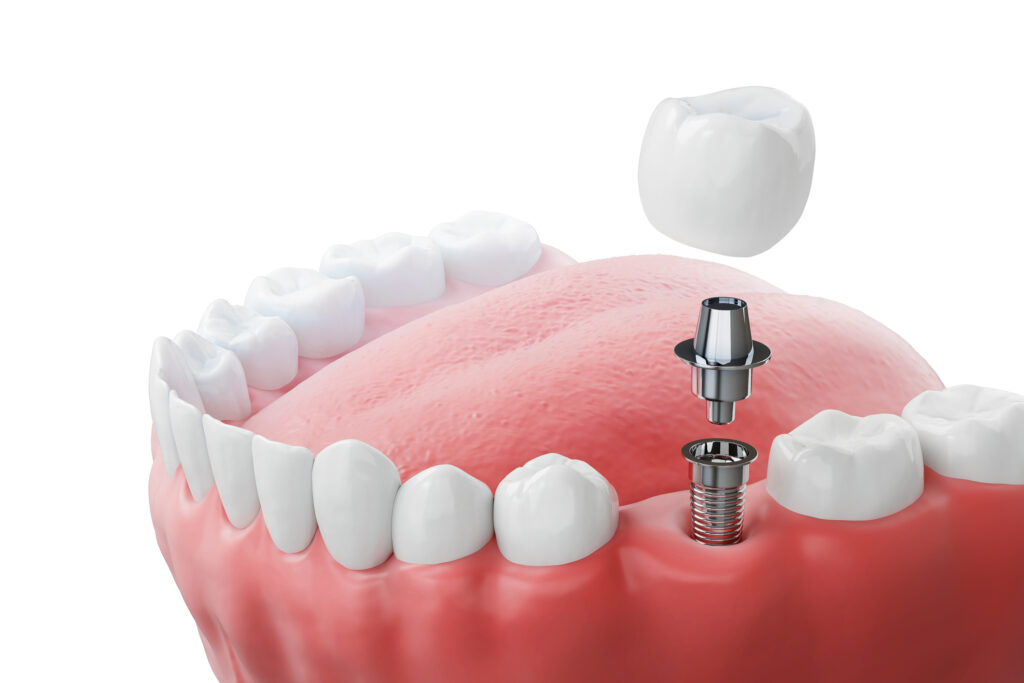
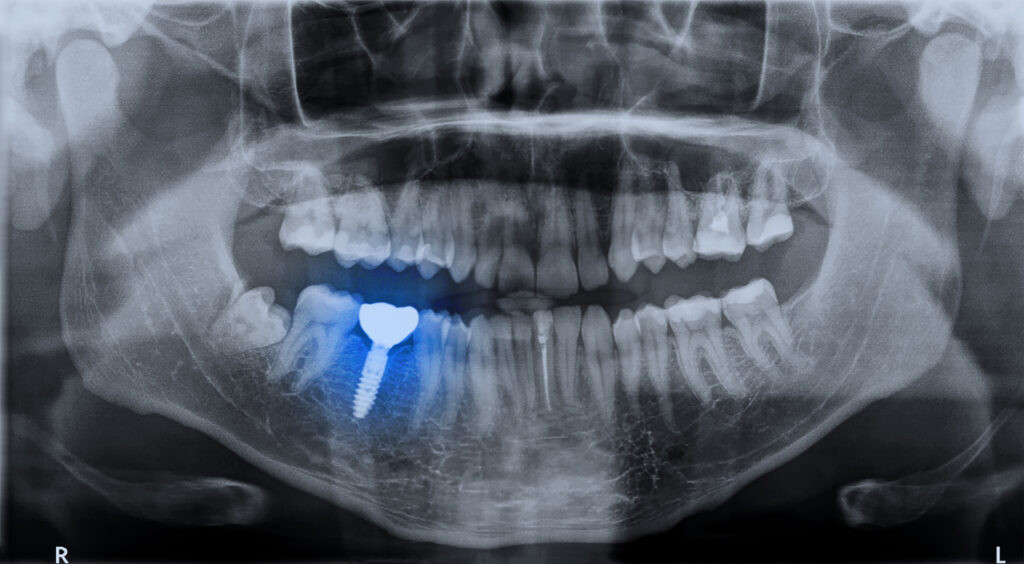
A dental implant is a small titanium post that is placed into your jawbone to act as a replacement for a missing tooth root. Once the implant fuses with the bone — a process called osseointegration — a custom-made crown is attached on top to look and function just like a natural tooth.
The result is a replacement tooth that doesn’t slip, doesn’t need to be removed at night, and doesn’t rely on your surrounding teeth for support.
That’s the core of it. But the reason so many people choose implants over other options comes down to something important: implants are the only tooth replacement that also replaces the root. That matters more than most people realize. Learn more about our implant services.
Why replacing the root matters
When a tooth is lost, the jawbone beneath it gradually begins to shrink. This is because the bone needs stimulation from a tooth root to stay dense and healthy. Dentures and bridges sit above the gumline, so they don’t provide that stimulation. Over time, bone loss can change the shape of your face and make other teeth more vulnerable.
An implant, because it’s placed directly into the jawbone, mimics the function of a natural tooth root. It keeps the bone stimulated and helps preserve your facial structure for the long term.
This is one of the biggest reasons patients who have done their research often come in already leaning toward implants. They’re not just replacing a tooth — they’re protecting what’s still there.
Who is a good candidate for dental implants?
Most adults who are missing one or more teeth are good candidates for dental implants, but there are a few things we look at before making a recommendation.
Good candidates generally:
- Have enough jawbone density to support the implant
- Have healthy gums with no active infection or untreated gum disease
- Are non-smokers, or are willing to quit during the healing period
- Are in good overall health
We’ll want to talk more if you:
- Have been missing the tooth for a long time and may have experienced bone loss (this can sometimes be addressed with a bone graft)
- Have uncontrolled diabetes or certain other health conditions
- Are still growing (which is why implants are typically for adults only)
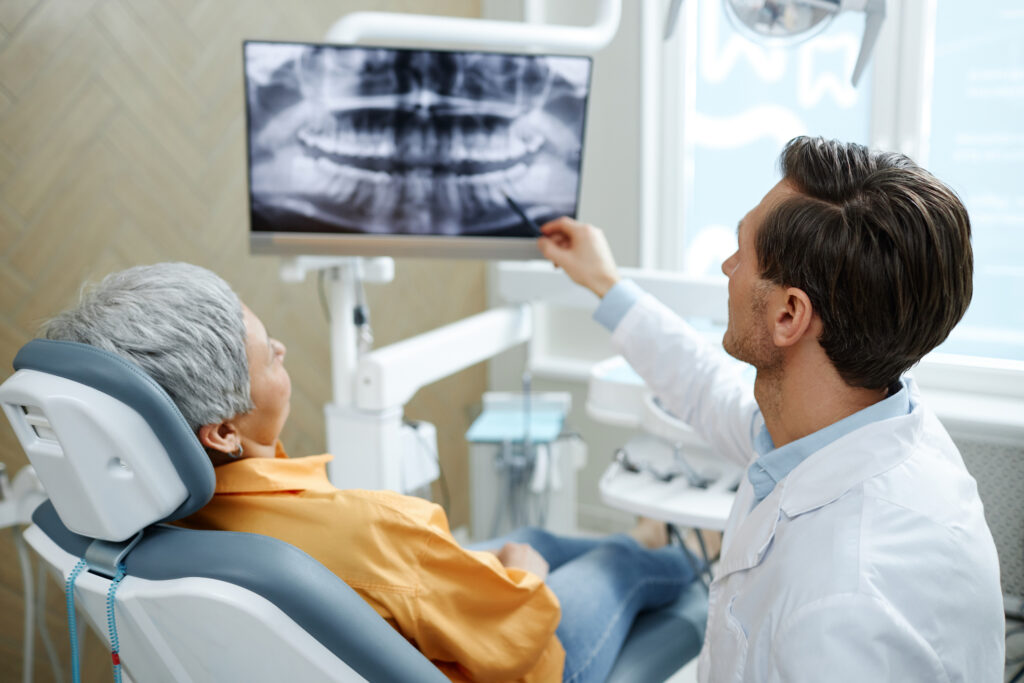
The honest answer is that most people are candidates, sometimes it just requires a little more preparation. The only way to know for sure is to come in for a consultation, where we can take a look at your X-rays and walk through your options with you.
How does the dental implant process work?
This is the part that tends to make people nervous. Here’s what the process actually looks like, step by step.
Step 1: consultation and treatment planning
Before anything happens, we sit down with you to evaluate your oral health, take digital X-rays, and make sure implants are the right fit. If you’re a candidate, we’ll map out a personalized treatment plan.
Step 2: implant placement
The titanium post is placed into your jawbone in a minor surgical procedure done right here in our East Longmeadow office. Local anesthesia is used so you’re comfortable throughout. Most patients are surprised by how manageable it is.
Step 3: healing (osseointegration)
This is the waiting period, and it’s the longest part. Over the next three to six months, the implant gradually fuses with your jawbone. During this time, you’ll have a temporary restoration so there’s no visible gap.
Step 4: abutment and crown placement
Once the implant has fully integrated, we attach a small connector piece called an abutment, and then your custom crown is placed on top. The crown is matched to the color and shape of your surrounding teeth.
That’s it. From that point on, it looks and feels like a natural tooth.
Does dental insurance cover implants?
Some plans do cover a portion of the cost, particularly the crown portion, though many traditional dental plans still classify implants as a cosmetic procedure and don’t cover the full treatment. We’ll help you understand what your plan covers during your consultation.
What about financing?
We work with patients to find payment options that make implants accessible. Spreading the cost over time makes a significant difference for a lot of people, and we’re happy to walk through those options with you.
The other way to look at the cost: implants are designed to last a lifetime with proper care. Dentures typically need to be replaced every 5 to 10 years, and bridges can also fail over time. When you factor in the long-term math, implants often come out ahead, and that doesn’t even count the bone preservation benefits.
Dental implants vs. other options: a realistic comparison
We never want patients to feel pushed toward one option. Here’s an honest look at how implants compare to the alternatives.
Dental implants vs. dentures
Dentures are removable and more affordable upfront. They’re a reasonable solution for some patients, especially those missing many teeth. The downsides: they can feel loose over time, they require adhesives and nightly removal, and they don’t stop bone loss. Implant-supported dentures, a hybrid option we also offer, solve some of these problems.
Dental implants vs. dental bridges
A bridge fills the gap by crowning the teeth on either side of the missing tooth and suspending a false tooth between them. It’s a fixed solution, which many patients prefer. The tradeoff is that healthy neighboring teeth have to be modified to support the bridge, and bone loss still occurs underneath it.
Dental implants vs. doing nothing
This one comes up more than you’d think. A lot of patients wonder whether leaving the gap is really a problem, especially if it’s in the back of the mouth. Unfortunately, it is. Over time, adjacent teeth can shift into the gap, your bite can change, and bone loss will continue in that area. Waiting typically makes future treatment more complicated.
How long do dental implants last?
With good oral hygiene and regular checkups, dental implants can last decades, often a lifetime. The crown on top may eventually need to be replaced after 15 to 20 years depending on wear, but the implant itself, once integrated, is typically permanent.
That longevity is one of the things that sets implants apart. They’re not a patch, they’re a long-term investment in your oral health.
What about the recovery?
Most patients are back to their normal routines within a day or two after implant placement. Some mild soreness and swelling in the first few days is normal and manageable with over-the-counter pain relief.
During the osseointegration phase, there’s no active recovery, you’re just going about your life while the implant heals. We’ll check in with you along the way to make sure everything is progressing well.

Why choose Pleasant Street Dental for dental implants?
We’re a family dental practice right here in East Longmeadow, and most of our patients have been coming to us for years. That matters when it comes to something like implants, because you want to know the people taking care of you.
We take the time to explain your options clearly, answer your questions honestly, and make sure you feel comfortable with every step before we move forward. There’s no pressure and no rushing.
If you’re in East Longmeadow, Springfield, Longmeadow, Wilbraham, or anywhere else in Western MA, we’d love to talk with you about whether implants might be a good fit. See all of the areas we serve.
Related Posts