Costumes, pumpkins, and a bag full of candy: Halloween is one of the most exciting…
Don’t Leave Dental Benefits on the Table: Schedule Before the Year Ends
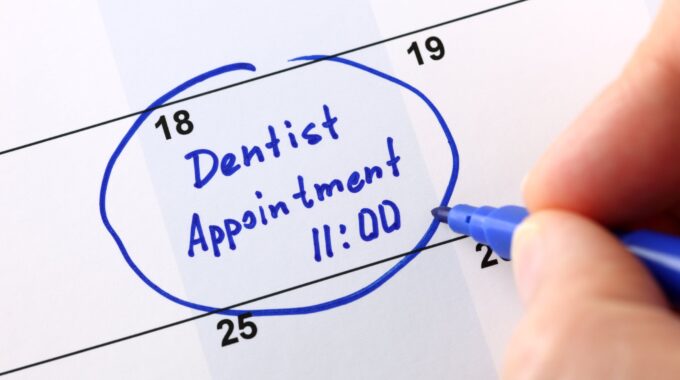
The last few months of the year fly by between the holidays, school events, and busy schedules. But if you have dental insurance, there’s one more thing worth adding to your list before the year ends: using your dental benefits. Many dental plans reset on January 1, which means any coverage you haven’t used this year may simply disappear. Here’s what to know about making the most of your dental insurance before the end of the year, from the team at Pleasant St Dental in East Longmeadow.
Why Dental Benefits Are “Use It or Lose It”
Most dental insurance plans include an annual maximum, the most your plan will pay toward your dental care in a single benefit year. For many plans, that year follows the calendar, running from January through December. In most cases, any amount you don’t use by the end of the year doesn’t roll over. On January 1, your benefits start fresh, and the unused portion from this year is gone.
You’ve been paying premiums all year for that coverage, so scheduling the care you need before it resets is a simple way to get the full value of your plan.
Every plan is different, and some run on a plan year that doesn’t match the calendar. Check your benefits summary or call your insurance provider to confirm when yours resets.
Make the Most of a Deductible You’ve Already Met
Many dental plans have a deductible, the amount you pay out of pocket before your insurance begins covering certain services. If you’ve already met your deductible this year, completing treatment before January 1 may cost you less than waiting. Once the new year begins, your deductible typically starts over, and you’ll need to meet it again before coverage kicks in.
Don’t Forget Your FSA or HSA
If you have a Flexible Spending Account (FSA), those funds may also have a year-end deadline. FSA money is often “use it or lose it,” although some employers offer a short grace period or let you carry over a limited amount. Check with your employer or plan administrator to know your deadline.
A Health Savings Account (HSA) works differently. HSA funds roll over from year to year, so there’s no rush to spend them. Both FSA and HSA funds can generally be used for eligible dental expenses, such as cleanings, fillings, and crowns.
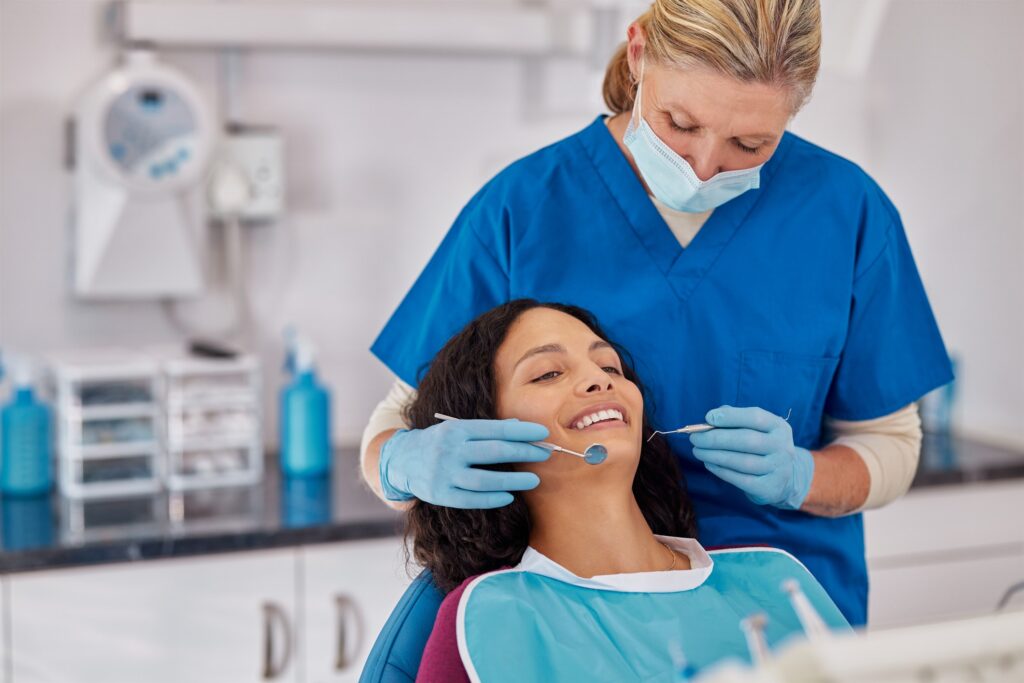
Dental Care Worth Scheduling Before the Year Ends
If you’re not sure where to start, here are a few common appointments to consider:
- Checkups and cleanings. Many plans cover preventive care, such as routine exams and cleanings, at a high percentage. If you haven’t had both of this year’s cleanings, now is a great time to book.
- Fillings for small cavities. Treating a cavity early is usually simpler and less costly than waiting until it grows.
- Dental crowns. If your dentist has recommended a crown for a cracked, worn, or decayed tooth, keep in mind that crowns usually take two visits. Starting early gives you time to finish treatment before the year ends. Curious whether you need a crown or a veneer? Read our guide, Veneers vs. Crowns: Which Is Right for You?
- Treatment you’ve been putting off. Dental problems rarely go away on their own and often become more involved over time. Taking care of them now can protect your smile and your budget.
Book Early Before December Fills Up
The end of the year is one of the busiest times at any dental office. Between holiday schedules and patients rushing to use their benefits, appointments in December can go quickly. Booking in November gives you more flexibility to find a time that works for your family, and it leaves room to finish any treatment that takes more than one visit.
Schedule Your Visit at Pleasant St Dental
At Pleasant St Dental, Drs. Duong & Katz and our team provide personalized care for patients and families in East Longmeadow and the surrounding area. If you’re not sure what your plan covers, our team is happy to help you understand your benefits so you can make the most of them.
Call us at 413-525-0955 to schedule your appointment before the year ends.

Frequently Asked Questions
Do dental insurance benefits roll over to the next year?
In most cases, no. Many dental plans have an annual maximum that resets at the start of each benefit year, and unused benefits typically don’t carry over. Check your plan to confirm.
When do dental insurance benefits reset?
Many dental plans reset on January 1, but some follow a different plan year. Your benefits summary or insurance provider can tell you your reset date.
Can I use my FSA or HSA for dental care?
Generally, yes. FSA and HSA funds can typically be used for eligible dental expenses, such as cleanings, fillings, and crowns. FSA funds often have a year-end deadline, while HSA funds roll over.
What dental treatment should I schedule before the end of the year?
Checkups, cleanings, and any treatment your dentist has recommended, such as fillings or crowns, are good to schedule before your benefits reset.
Related Posts