Costumes, pumpkins, and a bag full of candy: Halloween is one of the most exciting…
Veneers vs. Crowns: Which Is Right for You?
If you’ve been researching ways to fix a chipped, stained, or damaged tooth, you’ve probably come across two common options: veneers and crowns. While both can dramatically improve your smile, they’re designed for different situations. Here’s a breakdown to help you understand which might be the right fit.
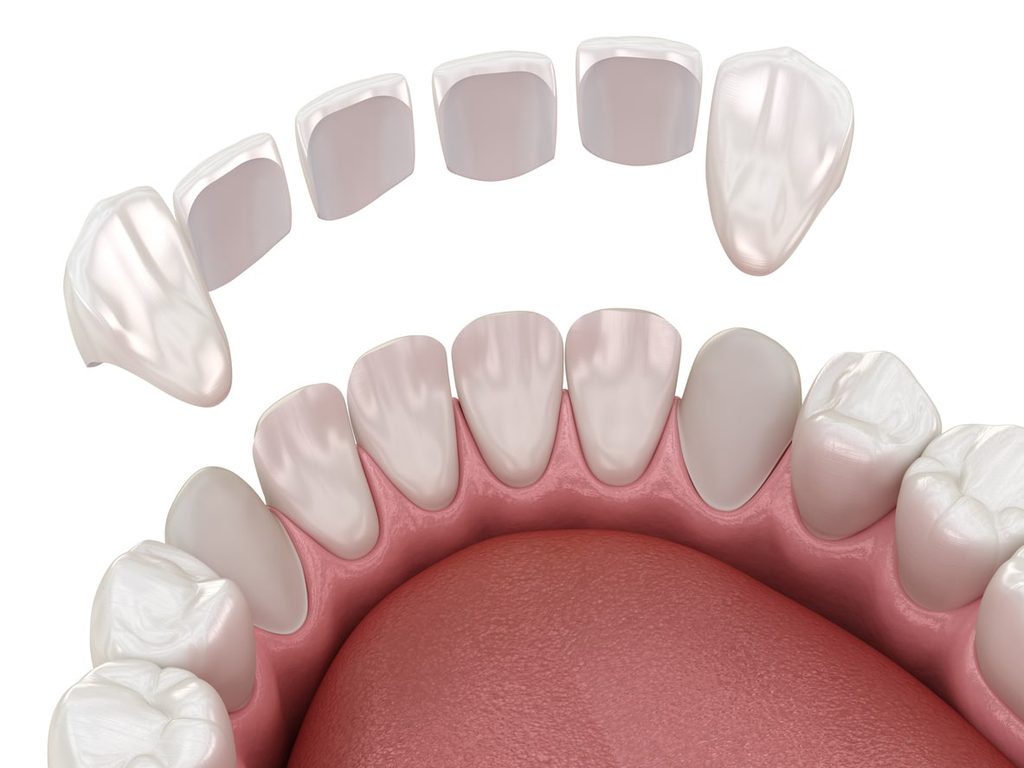
What Are Porcelain Veneers?
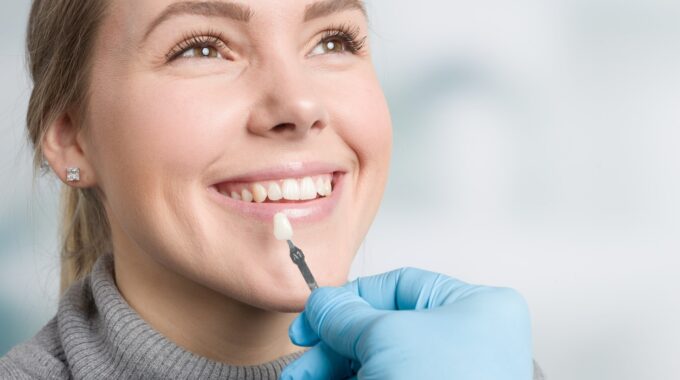
Porcelain veneers are thin, custom-made shells of ceramic that bond directly to the front surface of your teeth. Because they only require minimal reduction of your natural tooth structure, veneers are ideal for improving the appearance of your smile without changing your bite.
Veneers are a popular choice for correcting:
- Gaps between teeth
- Stained or discolored teeth
- Teeth that are slightly crooked or unevenly shaped
- Minor chips or wear
One of the biggest advantages of veneers is how natural they look. Because the porcelain is thin, light passes through it similarly to real enamel, and the material is highly resistant to staining from coffee, tea, or tobacco. Once bonded, high-quality veneers are virtually undetectable.
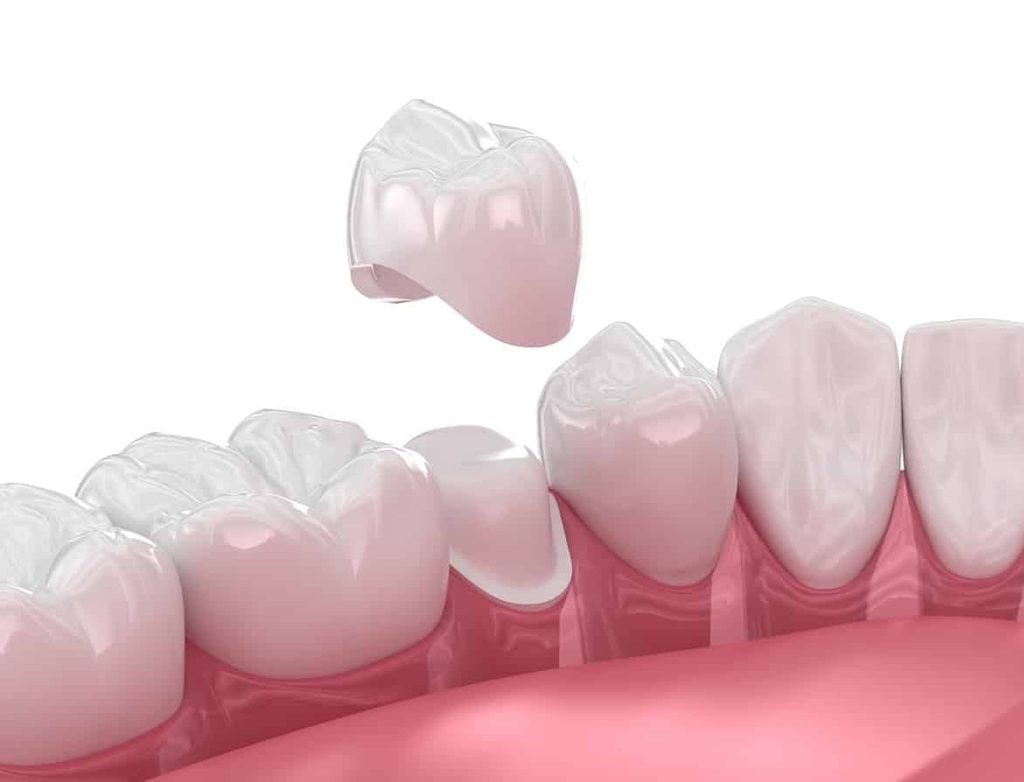
What are Dental Crowns?
Dental crowns are a more comprehensive restoration, designed to fully cap a damaged or decayed tooth. While veneers only cover the front surface, a crown covers the entire visible portion of the tooth, restoring both its appearance and its function.
Crowns are typically recommended when:
- A tooth has significant decay that’s beyond a filling
- A tooth is cracked, broken, or severely worn
- You’re replacing an old or failing crown/filling
- You need a durable, long-lasting fix for a tooth that takes a lot of biting force
At Pleasant St Dental, crowns are often crafted from zirconia, a strong and natural-looking material well-suited even for the most severe dental repairs, including cases where a tooth needs to function as if it were brand new. Getting a crown usually takes two visits: one to prepare the tooth and fit a temporary crown, and a second to place and cement the permanent one.
Key Differences at a Glance
| Veneers | Crowns | |
| Coverage | Front surface only | Entire visible tooth |
| Best for | Cosmetic changes | Structural repair |
| Tooth reduction | Minimal | More extensive |
| Typical use cases | Stains, gaps, minor chips | Decay, cracks, broken teeth |
| Visits required | Usually 2 | Usually 2 |
So, Which One Do You Need?
The right choice really comes down to why you’re seeking treatment:
- Choose veneers if your tooth is structurally healthy but you want to improve its color, shape, or alignment.
- Choose a crown if the tooth has significant damage, decay, or has lost strength and needs full coverage to function properly.
In some cases, patients need a mix of both — veneers on healthy front teeth for a cosmetic boost, and crowns on teeth that need more substantial repair.
Talk to Your Dentist
The best way to know which option is right for you is a consultation. Every smile is different, and what works well for one patient’s chipped tooth might not be the best solution for another’s discoloration or decay.
If you’re considering veneers, crowns, or aren’t sure which you need, the team at Pleasant St Dental is happy to walk you through your options. Call us at 413-525-0955 to schedule a consultation.
Related Posts